
February 17, 2026

Architecting the Future: Radical Technology Stewardship as a Catalyst for District Transformation
By: Dr. Celina Thomas and Dr. Leila Nuland
In the modern district, technology is no longer a peripheral utility; it is the central nervous system of our educational infrastructure. Yet, throughout my career, I have observed a recurring challenge: many districts find themselves "tech-rich but strategy-poor". We see hardware and software purchased in silos, leading to underutilized tools, redundant costs, and disconnected student pathways. To move from a state of digital debt to district excellence, we must redefine our role from mere purchasers to Technology Stewards.
The Turning Point: Moving from Fragmentation to Focus
In a district I once served in, I encountered a challenge familiar to many leaders: a highly decentralized budget and a "Wild West" approach to technology decision-making. This created a "leaky bucket" of resources where individual schools bought tools that often bypassed central vetting for security or strategic alignment.
The problem first came to my attention through a concern raised by the technology director, who noted that the district was struggling to keep up with the breakneck pace of program adoption. The operational reality was startling:
- The technology department had to dedicate a full-time staff member solely to managing subscriptions and updates.
- Staff were constantly tasked with "marrying" disparate platforms to the Student Information System (SIS) to ensure data could be tracked.
- Many programs required manual data entry to add or remove students, while others couldn't update at all after the initial beginning-of-year upload.
- The technical team had to be available around the clock just to keep these aging or un-synced systems alive.
The Impact of Evidence-Based Stewardship
To address this, we ran usage reports and discovered the district was spending a significant amount of money—multimillion dollars- on subscriptions. This meant that I needed to help the district move from sentiment-based renewals—paying invoices because a tool was "popular"—to evidence-based stewardship. By bringing finance staff, curriculum leaders, and campus principals together to review this usage data, we made the intentional decision to sunset several resources. This wasn't about austerity; it was about liberation. By cutting the underutilized tools, we freed up fiscal and mental bandwidth to fully leverage a core stack of high-impact resources.
The Stewardship Philosophy: Technology as an Accelerator
As Dr. Nuland advocates, technology stewardship must be a standing item of Organizational Design and Workforce Strategy. It should not be a reactive utility, but an accelerator for a district's most ambitious goals. This requires a Cabinet-level strategy where every digital investment is viewed as a direct investment in student outcomes.
Three Innovative Pillars for the Modern Superintendent
- The Governance Blueprint: Move beyond "rogue" purchasing by establishing a standardized vetting rubric to ensure every tool is secure, interoperable, and mission-aligned.
- The Four Levels of Alignment: True alignment requires looking at four distinct touchpoints: the teacher’s goal for the student, the principal’s campus budget and mission, the district’s overarching goals, and the primary strategic plan.
- Agentic Innovation: Avoid "vendor traps" by refusing to force unique district workflows into generic, high-cost SaaS contracts. We are moving toward "Agentic AI"—custom-built, secure tools that the district owns, protecting data sovereignty while solving precise needs.
A Call to Action
Strategic leadership requires us to stop adapting our districts to fit the software we buy and start building the systems our students deserve. The greatest barrier to this is that campus and district improvement plans are often "just documents on a shelf" rather than live, breathing guides that allow the space for agility—we must create strategies that allow us to shift and pivot our systems if data is telling us to reevaluate our actions and decisions.
We must ask: Is our technology driving our vision, or is it merely consuming our budget?
About the Authors
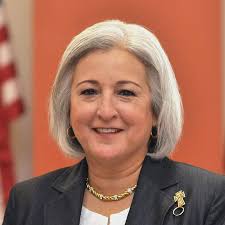
Dr. Celina Thomas Dr. Celina Thomas is an experienced educational leader and former superintendent dedicated to organizational excellence. Throughout her career, she has specialized in transforming district operations by moving from decentralized, high-cost technology models to evidence-based stewardship. Dr. Thomas is a vocal advocate for "live" strategic planning, ensuring that every instructional tool is directly aligned with student outcomes and teacher needs.

Dr. Leila Nuland Dr. Leila Nuland is a strategist and advocate for modern organizational design in education. She focuses on technology stewardship as a critical component of workforce strategy, helping districts view their digital infrastructure as a strategic accelerator rather than a reactive utility. Her work emphasizes the shift toward "Agentic AI" and data sovereignty to protect district interests while fostering innovation